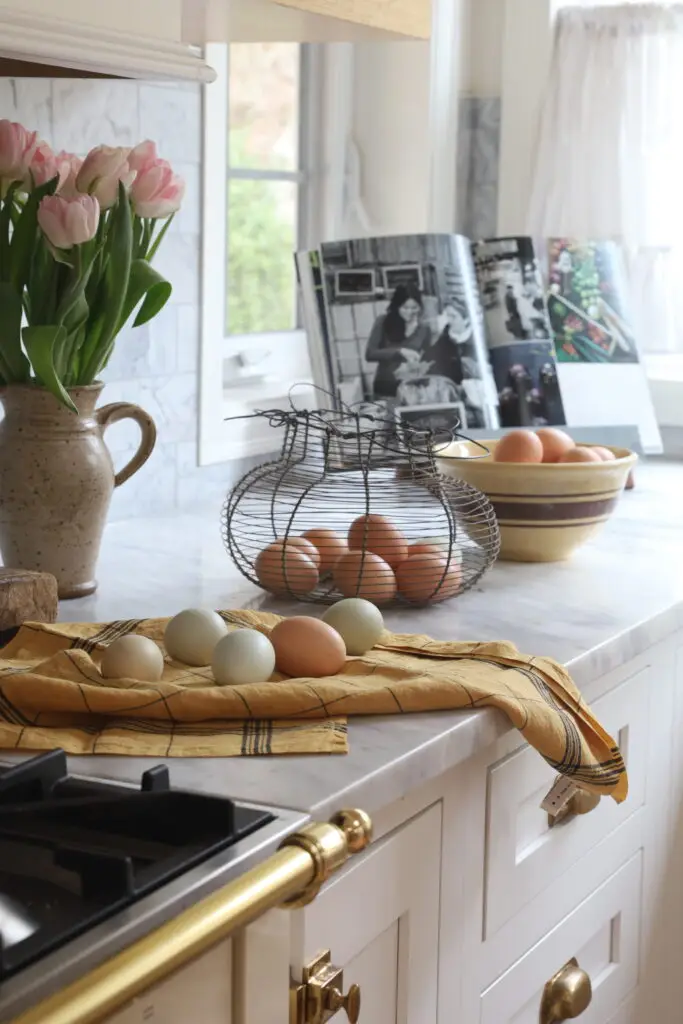
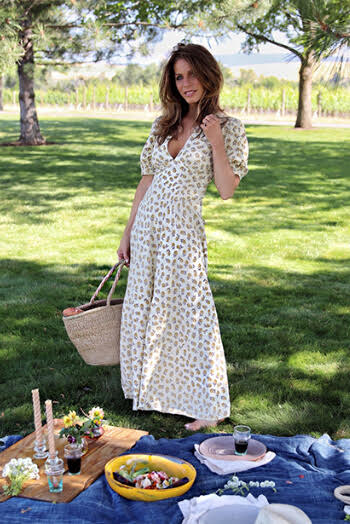
Creating a visually appealing home isn’t just about choosing the right color palette or furniture pieces. One of the most effective ways to add depth and interest to a room is by mixing textures. When done right, combining different textures can turn a simple space into something truly inviting. Whether you’re working with a neutral base or experimenting with bolder elements, the key to mastering texture is balance. In this post, we’ll explore how to mix textures in your home decor for a look that feels both cohesive and dynamic.
Start with a Neutral Base
When mixing textures, it’s often helpful to begin with a neutral base. Neutral colors such as white, beige, gray, or soft taupe allow textures to take center stage without overwhelming the space. A neutral backdrop provides the perfect foundation to experiment with various textures without clashing.
For example, a neutral-colored wall paired with a soft wool rug, linen curtains, or a velvet armchair will allow each material to shine individually while maintaining a sense of harmony. Using neutral tones doesn’t mean your room will feel dull; rather, it creates the ideal canvas for adding texture in a thoughtful way.
Layer Different Fabrics for Depth
One of the easiest ways to incorporate texture into your home decor is through layering fabrics. Layering various materials, such as cotton, wool, linen, and velvet, creates depth and visual interest in a room.
A simple way to get started is by mixing different types of fabrics on your bed. A soft cotton duvet can be complemented by a cozy wool throw, and you can add a
linen quilt for added texture and warmth. This layering approach creates a bed that feels luxurious without being overly complicated. You don’t have to stick to one fabric—mixing them in complementary colors and patterns brings dimension to your space.
Add Natural Textures for a Warm, Earthy Feel
Natural textures like wood, stone, and plants introduce warmth into a room and are perfect for balancing more polished or synthetic materials. Adding natural elements helps ground the space, making it feel more organic and inviting.
Wooden furniture or accessories can work beautifully with softer, lighter fabrics like linen or cotton. The texture of wood contrasts nicely with the smoothness of a linen quilt, for example, creating a balanced look that feels cohesive. Incorporating plants, whether through potted houseplants or hanging greenery, can also enhance the natural feel of your space while adding texture in the form of leaves and stems.
Experiment with Patterns and Textures Together
It’s easy to get stuck in the idea that patterns and textures should be kept separate, but in reality, mixing them can lead to stunning results. The key is to keep the patterns complementary to the textures you choose.
For example, a textured throw pillow in a solid color can pair beautifully with a patterned sofa, while a geometric-patterned rug can work well with a plush velvet chair. The trick is to balance bold patterns with softer textures so that one doesn’t overpower the other.
If you’re not sure where to start, opt for a subtle pattern like stripes or checks and pair it with a contrasting texture. A striped linen pillow on a plush cotton armchair, or a geometric rug under a velvet sofa, can create a visually appealing contrast that still feels cohesive.
Mix Hard and Soft Elements
Another effective way to play with texture is by blending hard and soft elements. Hard textures, like glass, metal, and stone, add structure and sophistication to a room, while soft textures, such as fabric, leather, and upholstery, introduce comfort and warmth.
For example, a glass coffee table can pair beautifully with a soft wool rug or plush velvet cushions. A metal light fixture can be complemented by a cozy linen quilt on the bed, bringing warmth and softness to a space that may otherwise feel too cold or industrial. The interplay between hard and soft elements helps create a balanced, visually dynamic space.
Use Scale to Your Advantage
When mixing textures, size matters. Large, bulky textures can overwhelm a space if not balanced correctly. Instead of overloading your room with giant pieces, try mixing large textures with smaller ones to create variety and prevent the space from feeling too heavy.
For example, a large linen quilt on the bed can be complemented by smaller, more delicate items like throw pillows or small accent rugs. If you’re using a bulky piece of furniture, such as a leather couch, balance it with lighter, smaller textures in pillows or curtains. Play with the scale of the textures to ensure they work together in harmony.
Focus on Functionality
While mixing textures is largely about aesthetics, it’s also important to consider how textures serve your needs. Choose materials that not only look good but also suit the function of the room. For example, if you want a cozy, warm bed, layering a linen quilt with soft cotton sheets and a plush throw will add both comfort and visual interest.
Likewise, in a living room, consider mixing materials based on their intended use. A velvet sofa might be soft and luxurious, but adding a textured cotton or linen throw can make it more practical and comfortable. By thinking about how you’ll use each space, you can choose textures that are both beautiful and functional.
Be Mindful of Texture Overload
While texture is key to creating a dynamic space, it’s easy to go overboard. Mixing too many textures without a cohesive plan can make a room feel chaotic and overwhelming. Stick to a limited color palette and try to use no more than three or four different textures in one space to keep things balanced.
For example, in a living room, you might choose a velvet sofa, a linen quilt for the bed, and a wool rug, which offer a mix of soft and natural textures while maintaining visual harmony. Too many textures, especially in clashing colors or patterns, can make the space feel cluttered and unfocused.
Final Thoughts
Mixing textures in your home decor is a great way to create a space that feels cozy, inviting, and visually interesting. By layering fabrics, incorporating natural elements, and playing with patterns and scale, you can bring depth and warmth into any room. Using textures in harmony with one another—whether through a linen quilt on the bed, a velvet armchair, or a rustic wood table—will allow you to create a home that feels comfortable and stylish.